

|
|
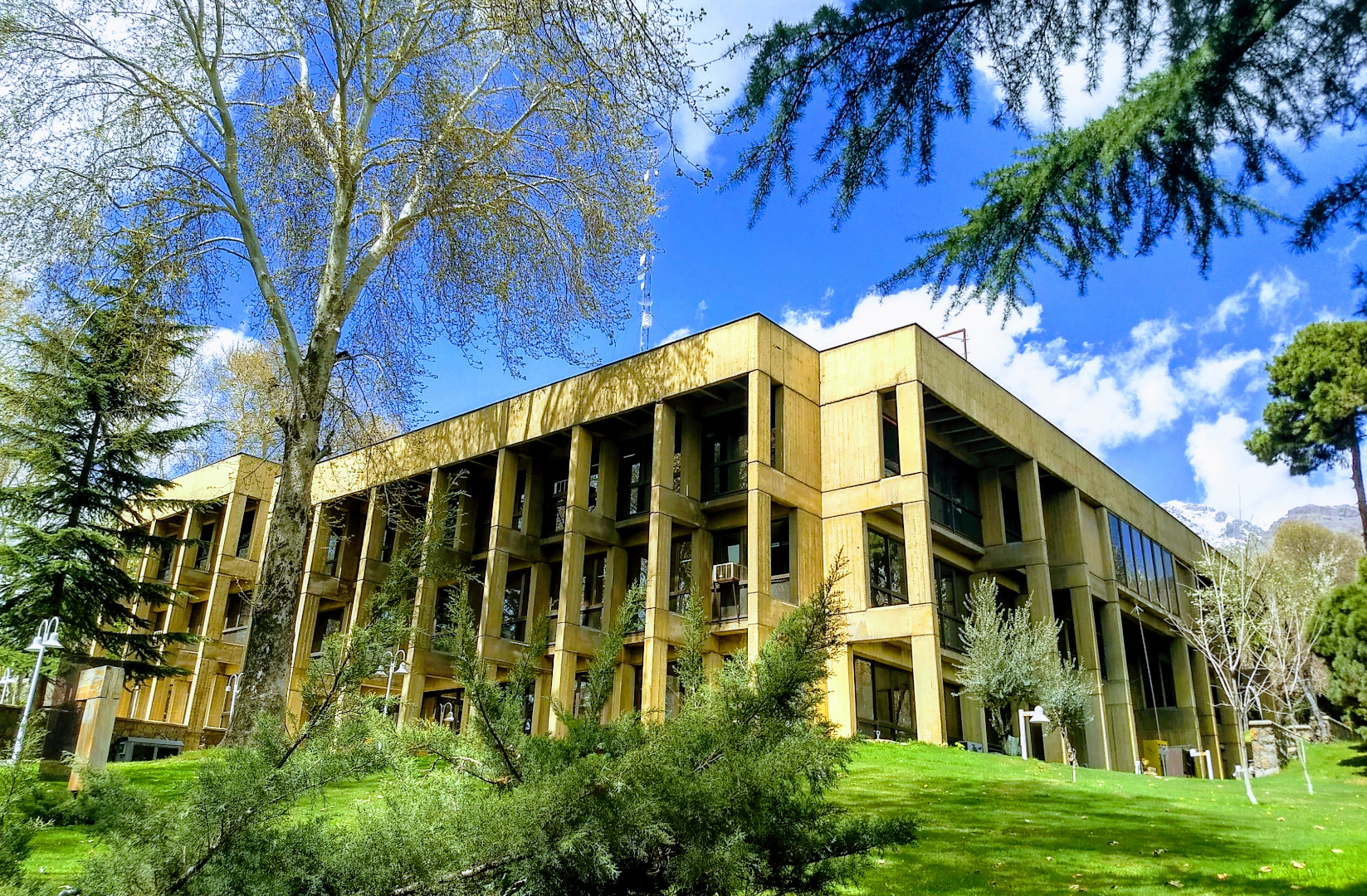
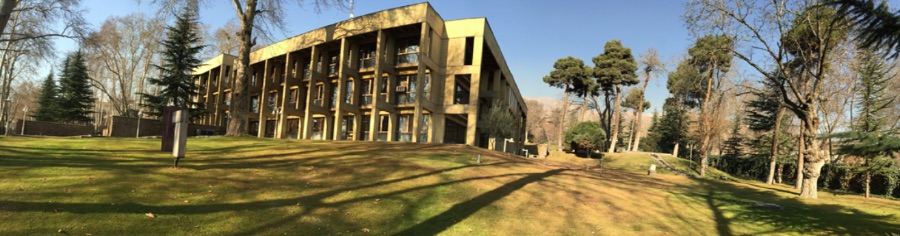
Niavaran Bldg. |
|
| Address:
(click here) School of Mathematics, IPM, Niavaran bldg., Niavaran Square, Tehran. ☎ +98 21 22290928 IPM Guesthouse, Farmanieh bldg., next to Kooh-e-Noor Tower, Farmanieh Ave., Tehran. ☎ +98 21 22835059 Credit cards, money and exchange: The standard credit cards e.g. Visa, Master or AmEXP, cannot be used in Iran. Do not forget to carry your money in US dollars or Euros. Exchanging other currencies is not as straightforward. You may also exchange your money at the Airport. Working days: Note that weeks start from Saturday in Iran. Many governmental offices are closed on Thursdays, and Friday is the official holiday. Electricity: 220V, 50Hz, European plug. Emergencies: ☎ 110, local Police control centre. It may contact with other emergency services. Other Emergency Services: ☎ 115 for Ambulances; ☎ 125 for the Fire and Rescue team; ☎ 112 for Iranian Red Crescent Society, often for outside the cities events such as climbers missing. Some useful links: wikitravel.org/en/Iran Google's travel guide of Tehran, Some points of interest. Around IPM: Niavaran Palace, Niavaran Park and Niavaran Book City are in walking distance of IPM. Jamshidieh Park, Qeytariyeh Park, Kolakchal mountains, and Darabad mountains are also relatively close to IPM. About IPM: http://www.ipm.ac.ir/about-IPM.jsp Some Photos: http://www.ipm.ac.ir/gallery |
||
| IPM Guesthouse |
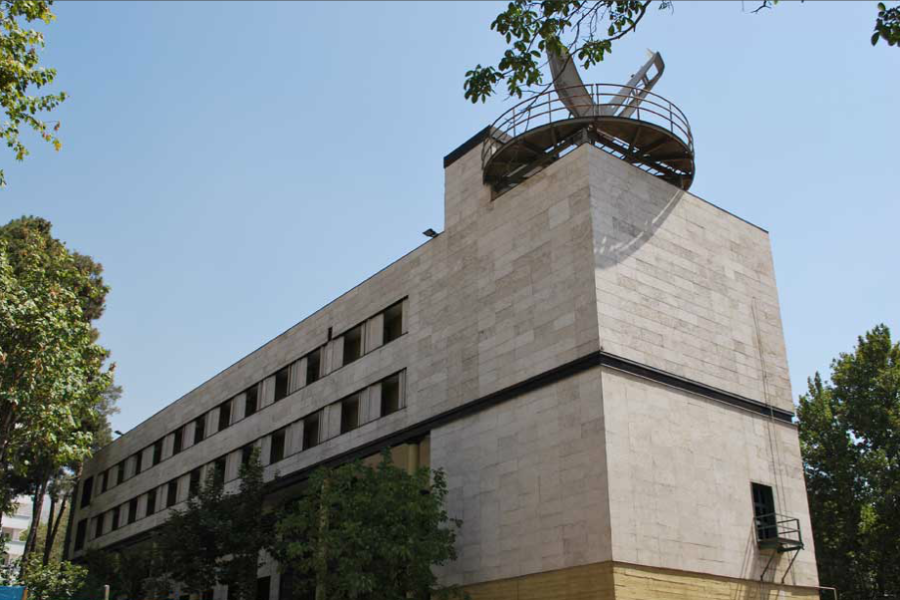
Niavaran
P.O. Box 19395-5746, Tehran - Iran
